
Mesenchymal stem cells (MSCs) are multipotent adult stem cells that can differentiate into cell types such as bone, cartilage, and adipose tissue, making them central to regenerative medicine. A comprehensive understanding of mesenchymal stem cells is fundamental to translating their therapeutic promise into reliable and reproducible outcomes.
Doctors, and patients with chronic diseases, are putting hope into new findings in regenerative medicine that are based on MSC research. As promising as some publications sound, they might be not reproducible – simply due to incorrect handling and false authentication in cell cultures. Rigorous validation of cell identity is crucial for working with human MSCs – and not as complicated as you might think.
Have you ever tried to pick only the red candy from a mixed bag of sweets without looking? And now imagine the candy is only around 20 µm big1, homogenous in shape and all you can do to clarify the identity is run tests for the next couple of weeks. Does this situation sound familiar? Than you most likely work with human mesenchymal stem cells.
Why is proper mesenchymal stem cells characterization critical for reliable research?
Ensuring MSC identity, consistency, and functionality is crucial because differences in cell composition and handling can significantly affect research reproducibility.
“The isolation of MSCs from human tissue such as bone marrow, umbilical cord, cartilage or fat tissue per se isn’t a big deal. After dissolving the tissue in a selected buffer, you can quite easily extract active MSCs from this ‘cell soup’ – at least you think that’s what you have,” says Dr. Hagen Wieland from the development department at PromoCell. Because MSCs are a very heterogeneous group, you will never receive multipotent stem cells alone, no matter which method has been used. Isolation based on MSC’s ability to adhere to plastic surfaces, for instance, might result in the formation of MSCs along with their progenitor cells.2 You also might end up with fibroblasts, or MSCs that aren’t multipotent.

Our stem cell specialist Dr. Hagen Wieland works at the R&D department at PromoCell. His never-ending job is to explore and develop new stem cell culture systems. He and his team also write user-friendly application notes.
This is where the real work starts. Before you can even think of turning to your own research, you need to cultivate, differentiate, and characterize your cells. For each step, scientists have established various protocols. Depending on the media and serums used, in which the ingredients can differ from charge to charge, outcomes may vary significantly. “Until now, there have not been any guidelines or regulations. Scientists have had no choice but to use their own judgment. For every paper that revealed interesting results, another group would come up with quite contrary data. Some experiments were simply not reproducible due to variations in cell handling and protocols. MSC research has been a real hodgepodge for years!” says Dr. Wieland.
How does paperwork help you to stop wasting money and time on MSC research?
Improving efficiency in MSC research relies on proper paperwork, because well-documented protocols for isolation and characterization minimize variability and experimental failure.
Without it, countless hours spent at the cell culture bench or analyzing data - along with significant financial resources - can quickly be lost to inconsistent and irreproducible results.
According to a recent analysis, 28 billion dollars are spent each year in the United States alone on experiments that are not reproducible. In addition, the same study indicates that more than a half of all preclinical studies are irreproducible.3 It’s a scientific nightmare – and not just in terms of economy. All of these irreproducible studies were aimed at discovering life-saving therapies and cures.
That is why – at least in MSC research – more and more journals request certification that you have verified the identity of the cells used in your experiments. The same is true for many institutions that fund research projects. Accordingly, if you want to apply for financial support, you need to include the paperwork of your protocols detailing stem cell isolation and characterization. The U.S. National Institution of Health recently integrated authentication recommendations in their guidelines for reporting preclinical research. Such initiatives aim to increase MSC reproducibility and comparability. The efforts, results and opportunities in the field of mesenchymal stem cell research are far too promising to make the same old mistakes made by the scientific community in the past.
Why MSC multipotency is key for regenerative and cell therapies
Multipotency is a defining feature of mesenchymal stem cells, enabling them to differentiate into distinct cell types that form structures such as bone, cartilage, and adipose tissue. The clinical benefits are driven by such distinct biological characteristics of MSCs, which offer several advantages over embryonic stem cells, as outlined in the table below:
| Feature | Advantage of MSCs in clinical applications |
|---|---|
| Ethical considerations | MSCs avoid ethical issues associated with embryonic stem cells |
| Accessibility | MSCs can be derived from various tissues of the human body, making them easily accessible |
| Differentiation potential | Limited differentiation routes provide a targeted opportunity to form specific tissues (bone, cartilage, adipose) |
| Tumor risk | Lower risk of tumor formation compared to pluripotent embryonic stem cells |
| Immunogenecity | MSCs have almost no surface markers, making them non-immunogenic |
| Immunomodulatory function | MSCs have a down-modulating function beneficial for regenerative therapies and graft-versus-host disease |
Table 1: Clinical benefits of using MSCs
As a way to increase success rates of bone marrow transplants, many doctors add MSCs to hematopoietic stem cells.
Sound too good to be true? Well, an increasing number of clinical trials with MSCs, currently approximately 7204, speak the same language. “When you think of typical lifestyle-related diseases, such as arthritis, prolapsed discs, or osteoporosis – all of the affected cell lineages lie within the MSCs differentiation spectrum – and there have been promising studies that can help develop therapies to regenerate damaged tissue. The heterogeneity of MSCs in the body is mirrored by the variety of applications in biomedical research.”
Scientific interest on human mesenchymal stem cells has been increasing for years. “Each year, there are 4,000 to 5,000 publications about MSCs on pubmed. It is a consistent upward trend and I don’t believe it is going to stop. Quite the opposite, I expect this field of research to grow,” says Dr. Wieland, who works with blood and stem cells at PromoCell.
How can reproducibility and comparability in MSC experiments be improved?
The solution lies in standardized authentication, for which the International Society for Cellular Therapy (ISCT) has defined three essential criteria that MSCs must fulfill:
- The cells have to grow adherently
- They must express particular surface markers, the classification determinant (CD) markers
- They need to show the ability to differentiate into three lineages.
To meet these criteria, you need to perform many analyses – a critical, but also laborious and time-consuming process that could take up to four weeks. And you have to repeat it every time you isolate new cells – only to discover that, in the end, you might not even have enough cells to perform your experiment.
Wouldn’t it be nice, if somebody else would do all the testing for you? One man who knows every single CD marker on mesenchymal stem cells inside out, is Dr. Wieland. His daily business is to develop, establish and optimize stem cells systems for research purposes. “We have seen many times that testing only for markers isn’t sufficient. To have a solid scientific basis, all ISCT criteria are crucial. This is only one reason why quality management is a standardized and sophisticated procedure that we have been working on for years.” Stem cells are only one part of the system – media and growth factors are the other component. “Actually, no one exactly knows the factors that make MSCs expand and differentiate. But we do know that consistency is essential. This is one reason why our proliferation and differentiation media always have the same ingredients, ones that we have tested and found to work best. It is a little bit like the Coca Cola formula.”
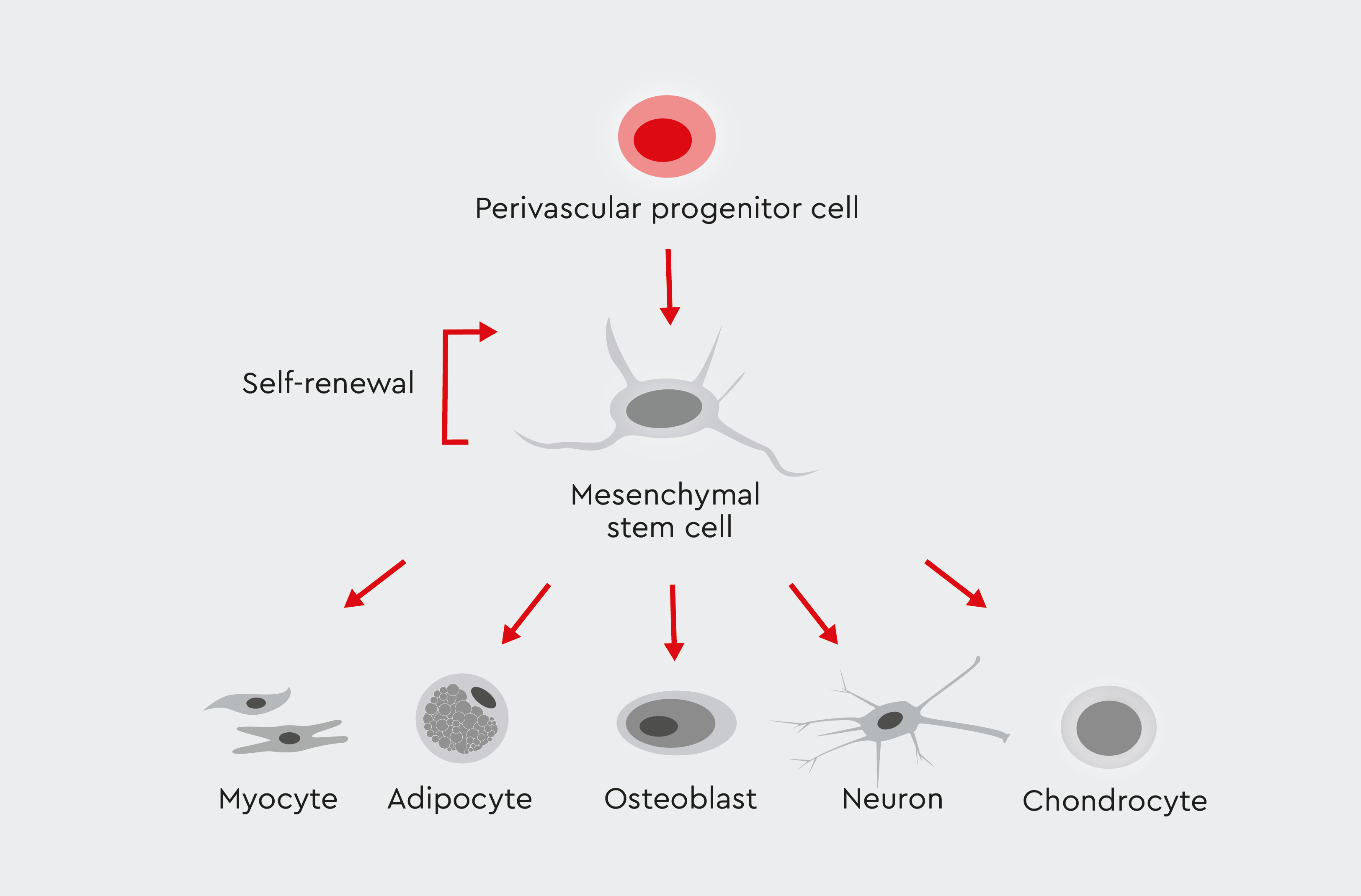
Figure 1: The three minimal criteria for defining multipotent human MSCs:
1) MSCs must express CD105, CD73 and CD90, and lack expression of CD45, CD34, CD14 or CD11b, CD79α or CD19 and HLA-DR surface molecule; (2) MSCs must be plastic-adherent when maintained in standard culture (3) and have the ability to differentiate into adipocytes, osteoblasts and chondrocytes in vitro (criteria proposed by the International Society for Cellular Therapy).
If you ever tried to make your own Coke as a child, you know what Dr. Wieland is talking about. “With the view to saving money, some laboratories mix their own media, and run through all the steps from MSC isolation to identification. That is one way to do it, but there are alternatives. Along with the actual MSCs, authentication certificates and detailed application notes, we provide a complete toolbox for the scientists. Through this support, we’re telling them ‘We’ve done all the preparatory work for you. You can rely on it, and concentrate on your actual research.’”
How are MSCs being used beyond stem cell research?
In addition to stem cell research, scientists use MSCs, or the differentiated cell types, in diabetes, biomaterials, and cancer research. There are even trials on using MSCs to strengthen the heart muscle of myocardial infarction patients – a cell type that isn’t in the classical spectrum of MSC.
Like many other scientists, Dr. Wieland understands the challenges that many of his colleagues are facing. “Currently, researchers are under an increasing pressure to publish, while at the same time, there is less and less money available. It is a dilemma. Still, you shouldn’t try to reduce costs by trying to isolate your MSCs by yourself. In the end, you might not only lose time, but even more money.” Despite the obstacles, he believes in the future of MSC research. “This is not one of these ‘one-hit wonders’ we sometimes observe in science. It shows consistent progress. I’m sure there is still a lot to come. Just imagine what would happen if everyone could pick the red candy right from the start...”
References
Expand
- Ge J, Guo L, Wang S, Zhang Y, Cai T, Zhao RC, Wu Y. The size of mesenchymal stem cells is a significant cause of vascular obstructions and stroke. Stem Cell Rev. 2014;10(2):295-303. doi:10.1007/s12015-013-9507-x
- Kuznetsov SA, Krebsbach PH, Satomura K, Kerr J, Riminucci M, Benayahu D, Robey PG. Single-colony derived strains of human marrow stromal fibroblasts form bone after transplantation in vivo. J Bone Miner Res. 1997;12(8):1335-1347. doi:10.1359/jbmr.1997.12.8.1335
- Freedman LP, Cockburn IM, Simcoe TS. The economics of reproducibility in preclinical research. PLoS Biol. 2015;13(6):e1002165. doi:10.1371/journal.pbio.1002165
- www.clinicaltrials.gov
Transforming MSCs into adipocytes
They are multipotent – this makes MSCs interesting for various applications in biosciences. To answer your specific research questions, you need to differentiate your MSCs. Find out how you transform your adult stem cells into adipocytes in vitro using appropriate media.
Primary Human Mesenchymal Stem Cells. Available from adipose tissue, bone marrow and umbilical cord matrix.
Cell culture medium for differentiation of human mesenchymal cells into adipogenic lineages.
Related products
Related resources
Related pages
HUMAN MESENCHYMAL STEM CELLS - CURRENT TRENDS AND FUTURE PROSPECTIVE
Ullah, et al., Bioscience Reports 2015: