
GMP cell culture media need to support quality, consistent performance, and scale-up throughout cell therapy development and manufacturing. Choosing the right medium involves considering cell growth, viability, and functionality alongside manufacturing quality requirements, documentation, and supply continuity. The formulation must also fit your cell type, application, and process.
As you move from research to regulated manufacturing, these requirements can change. With so many interconnected factors influencing future manufacturing success, it is not always clear whether you've considered everything that could matter later. Knowing when to plan your GMP media strategy can be difficult, particularly when decisions made today may affect activities much further down the development pathway. Delaying this decision, however, may lead to avoidable material changes, rework, or delays later.
In this blog article, we'll explore the key factors to consider when transitioning from research-use-only (RUO) to GMP media, what to look for when assessing media quality, supplier documentation, and how to build a GMP media strategy that supports your cell therapy development and scale-up goals.
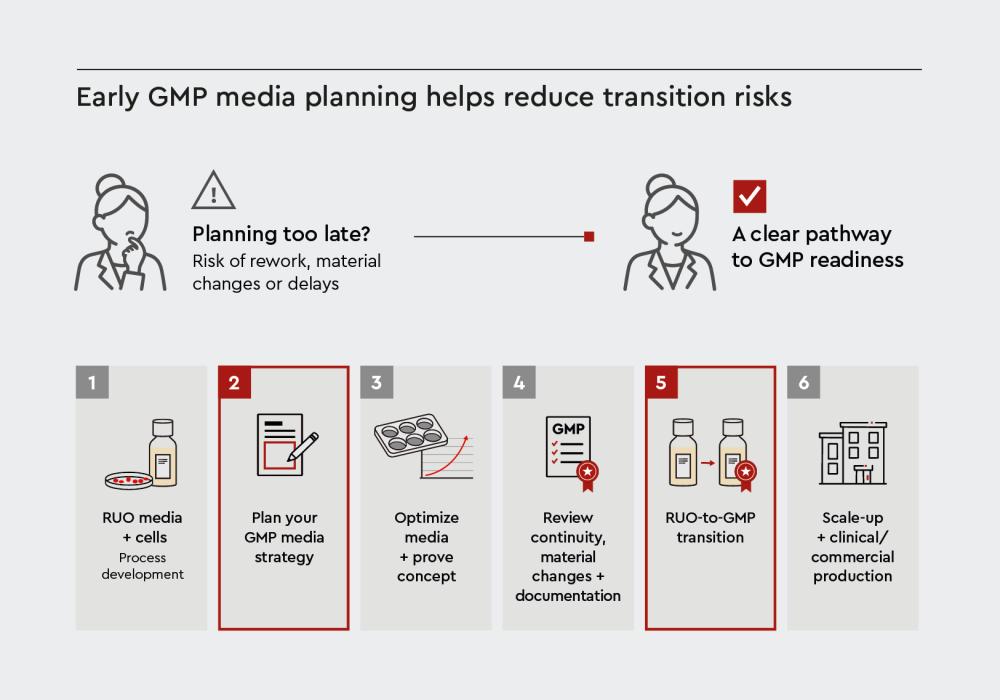
Figure 1. Early GMP media planning helps reduce transition risks
When GMP planning is postponed, important formulation, documentation, or supply considerations may only come to light later in development. By that stage, teams are often working with more investment, more stakeholders, and less flexibility. Starting early gives you a clear pathway from RUO media through formulation review and proof-of-concept studies to GMP media, helping you protect previous investments and prepare for scale-up with greater confidence.
At a glance: Quick answers
GMP compliance is only one part of media selection
Evaluate both the supplier’s quality systems and the medium’s suitability for your specific cell therapy process.RUO-to-GMP transitions require careful evaluation
Modifications in formulation, raw materials or manufacturing processes may affect comparability and should be assessed for the intended application.Lot-to-lot consistency matters
Defined media formulations, controlled raw materials, and robust manufacturing processes can help support more consistent performance across batches.Documentation supports supplier qualification
Review relevant quality documentation, traceability, change-control procedures and certificates where applicable.Plan for scale-up early
Consider supply continuity, packaging formats, technical support and documentation requirements as your process develops.Why does cell culture media matter in cell therapy manufacturing?
Media directly shape the environment in which you expand, maintain, process, and preserve cells for cell therapy. Because living cells are highly sensitive to their surroundings, media composition can directly influence critical characteristics such as cell growth, viability, functionality, and overall process performance. Even small changes in media components may alter cellular behavior, potentially affecting the consistency and potency of the final therapy.
As your cell therapy progresses from development to clinical manufacturing, controlling these inputs becomes increasingly important. Selecting a medium is not just about supporting cell growth today. It also means considering how that choice may influence future process performance, manufacturing requirements, and development activities. With so many factors, it is not always easy to know whether you've identified every consideration that could become important later. Whether you use custom-developed formulations or off-the-shelf media, focusing on the following areas helps create the conditions required for reproducible manufacturing outcomes.
Well-characterized media and robust manufacturing controls can help you:
- Support reproducible cell growth and viability under defined process conditions
- Maintain consistent media composition and quality specifications across batches
- Improve batch traceability and oversight of critical materials
- Help identify and monitor sources of process variability
- Streamline supplier qualification and material evaluation with supporting documentation
- Prepare for clinical development and commercial manufacturing through proactive supply planning
A clearly defined path from your current RUO formulation to a GMP version is one of the most effective ways to de-risk this transition — and should be planned for from the outset, not addressed retroactively.
Treat material selection as part of your process and material strategy, rather than as a procurement decision made later in development.
What changes when transitioning from RUO to GMP media?
As your therapy advances from RUO toward clinical manufacturing, you typically need greater control, traceability, documentation, and change management. A RUO media should support reproducible cell performance for successful research outcomes during your early process development. However, they are not generally designed to meet the documentation requirements expected for regulated clinical manufacturing.
The differences between RUO and GMP materials are:
| Area | Traceability | Documentation | Change control | Batch records | Regulatory support |
|---|---|---|---|---|---|
| RUO materials | Limited | Basic | Variable | Not always available | Limited |
| GMP materials | Comprehensive | Extensive | Formal process | Available | Designed for regulated use |
Table 1. Key distinctions between RUO and GMP materials
A successful RUO-to-GMP strategy can help you reduce redevelopment risks later in the manufacturing lifecycle.
By maintaining continuity between development materials and GMP versions, you can simplify technology transfer and process qualification activities.
How do GMP manufacturing controls and media performance work together?
When evaluating GMP cell culture media, it's important to look at both media performance and manufacturing controls. Manufacturing controls help ensure that materials are produced, tested, documented, and released according to defined quality requirements. Media performance, on the other hand, determines whether a formulation is the right fit for your cell type, application, and process. Together, these factors can help you assess whether a GMP medium is suitable for your cell therapy workflow.
Well-defined formulations, including animal component-free (ACF) and xeno-free (XF) media, can also help reduce contamination risks and minimize variability associated with animal-derived ingredients. As a result, you can support more consistent manufacturing outcomes, process control, and simplify risk assessments during GMP manufacturing and regulatory review.
Well-controlled GMP manufacturing can help:
| Manufacturing attribute | Potential impact on cell therapy |
|---|---|
| Qualified raw materials | Supports raw material traceability and supplier control |
| Defined media specifications, such as in animal component-free (ACF) media | Better reproducibility between batches |
| Quality testing and release controls | Reduces risk of contamination or deviations |
| Risk-based manufacturing processes | Greater assurance of cell culture media quality |
| GMP quality systems | More reliable manufacturing outcomes |
Table 1. Manufacturing attributes that can support cell therapy development.
GMP media suppliers also typically implement controls and risk mitigation strategies for raw material sourcing, material qualification, manufacturing, and documentation. Together, these measures give you greater confidence that media and buffers will consistently meet predefined quality requirements throughout development and manufacturing.
Because media and buffers can influence critical quality attributes, you should ensure that these materials are produced using robust quality systems and documented manufacturing controls.
Why are quality systems and documentation important when selecting a GMP media supplier?
Quality systems and documentation help you verify that GMP media and buffers are manufactured consistently, remain traceable throughout their lifecycle, and meet defined quality requirements. They also provide the evidence you need to support supplier qualifications, regulatory submissions, and change management activities.
Important supplier capabilities include:
Product and batch documentation
- Certificate of Analysis (CoA)
- Product specifications and acceptance criteria
- Batch identification and relevant traceability information
- Available manufacturing and quality records
Supplier quality-system capabilities
- Deviation investigation and CAPA processes
- Change-control and customer notification procedures
- Raw material qualification and supplier management
- Defined quality responsibilities and document control
These controls help you assess material quality, manage risk, and maintain process consistency as your program progresses from development to clinical and commercial manufacturing.
How can GMP media support cell therapy scale-up and commercialization?
As your cell therapy program moves toward larger-scale or multi-site manufacturing, media requirements extend beyond media performance alone. You'll also need to consider factors such as supply continuity, packaging formats, storage conditions, logistics, and long-term manufacturing capacity.
When evaluating a GMP media supplier, consider whether they can:
- Maintain consistent material specifications across manufacturing campaigns
- Provide packaging formats suitable for your manufacturing process
- Communicate material, raw material, or process changes through established change-control procedures
- Support storage, transport, and handling requirements across sites
By planning these factors early, you can help reduce the risk of supply disruptions, material changes, and delays during technology transfer, scale-up, and commercial manufacturing. This is particularly relevant when you plan process transfers between internal manufacturing sites or CDMOs.
What should you look for in a GMP media supplier?
The right GMP supplier should give you more than material delivery. The supplier helps you maintain process consistency, regulatory readiness, and long-term manufacturing continuity.
Supplier evaluation checklist
Every cell therapy program has unique requirements. When evaluating suppliers, one of the biggest challenges is determining whether you've asked all the right questions before committing to a long-term manufacturing strategy. The following checklist can you help structure supplier discussions and identify areas that require further assessment.
Quality and manufacturing
- What GMP manufacturing standards and quality management system apply?
- How are raw materials qualified and traced?
- Which specifications and batch-release controls support formulation consistency?
Media suitability and evaluation
- What evidence is available to assess whether the medium delivers the desired product attributes for your intended cell type and process?
- Can the medium be assessed before committing to GMP media manufacturing?
- Are RUO-to-GMP continuity options available?
- Are ACF or XF media options available where required?
Documentation and change management
- Which CoAs, specifications, batch records, and traceability records are available?
- How are changes to raw materials, formulations, or manufacturing processes controlled and communicated?
Supply and technical support
- Can the supplier support expected volumes and provide suitable media formats and packaging options?
- What supply chain reliability and continuity planning are available?
- Are packaging, storage, and transport conditions validated?
- Can the supplier support process scale-up and commercialization?
- What technical and troubleshooting expertise is available for cell culture applications?
Your supplier should also understand the evolving requirements of cell therapy manufacturing and support you throughout the product lifecycle, from early process development through clinical and commercial production.
How does PromoCell support GMP manufacturing?
Moving toward GMP manufacturing can leave you balancing several priorities at once: maintaining media performance, meeting quality and documentation requirements, planning for scale-up, and avoiding costly changes later. We help you address these considerations early, so you can make your next media decision with greater confidence.
- Meet defined quality requirements: EXCiPACT™ GMP-certified and an ISO 9001:2015 quality management system support quality oversight, traceability, and documentation control.
- Reduce animal-derived material risks: ACF and XF media options support more standardized processes.
- Evaluate before committing: Our Pilot Evaluation Batch program lets you assess media performance before GMP production.
- Fit the medium to your process: Flexible packaging and custom GMP media solutions support your application and manufacturing needs.
- Simplify qualification: Our documentation support helps streamline supplier qualification and regulatory activities.
Learn more about our GMP Offerings Facing GMP media decisions? Our team can help you identify the right approach.
Frequently asked questions
- Simplify supply chain risk
- Reduced variability
- Enhanced traceability
- Simplified risk assessments
- Support for global regulatory expectations.
- Certificate of Analysis (CoA)
- Product specifications
- Traceability documentation
- Change notification procedures
- Quality and manufacturing records
- Regulatory support documentation, where applicable
Related resources