
What are the disadvantages of the prophylactic use of antibiotics in cell culture?
The prophylactic use of antibiotics in cell culture is generally discouraged for several important reasons.
First, antibiotics can create a false sense of security and may lead users to develop poor aseptic techniques. As a result, low‑level contaminations can occur and remain undetected for extended periods of time. These unnoticed contaminations may then spread within the laboratory and contribute to the development of antibiotic‑resistant strains.
Second, the routine presence of antibiotics can facilitate mycoplasma infections, which are often introduced together with bacteria or fungi and are not effectively controlled by standard antibiotics.
Finally, antibiotics are known to have direct negative effects on eukaryotic cells, including:
For a more detailed discussion, please refer to our blog article “Antibiotics in Cell Culture: Friend or Enemy?”.
First, antibiotics can create a false sense of security and may lead users to develop poor aseptic techniques. As a result, low‑level contaminations can occur and remain undetected for extended periods of time. These unnoticed contaminations may then spread within the laboratory and contribute to the development of antibiotic‑resistant strains.
Second, the routine presence of antibiotics can facilitate mycoplasma infections, which are often introduced together with bacteria or fungi and are not effectively controlled by standard antibiotics.
Finally, antibiotics are known to have direct negative effects on eukaryotic cells, including:
- reduced proliferation rates of primary cells
- altered cellular metabolism
- effects on differentiation and gene expression
For a more detailed discussion, please refer to our blog article “Antibiotics in Cell Culture: Friend or Enemy?”.
Products relevant to this topic
Normal Human Epidermal Keratinocytes (NHEK) juvenile foreskin, single donor
Cat No
C-12001
Primary Human Keratinocytes isolated from the epidermis of juvenile foreskin or adult skin from single or pooled donors.
Normal Human Epidermal Keratinocytes (NHEK) adult, single donor
Cat No
C-12003
Primary Human Keratinocytes isolated from the epidermis of juvenile foreskin or adult skin from single or pooled donors.
Normal Human Epidermal Keratinocytes (NHEK) juvenile foreskin, pooled
Cat No
C-12005
Primary Human Keratinocytes isolated from the epidermis of juvenile foreskin or adult skin from single or pooled donors.
Normal Human Epidermal Keratinocytes (NHEK) adult, pooled
Cat No
C-12006
Primary Human Keratinocytes isolated from the epidermis of juvenile foreskin or adult skin from single or pooled donors.
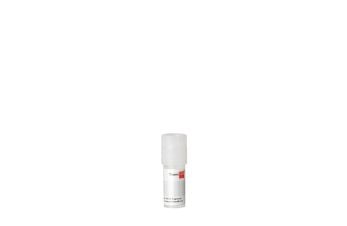
Normal Human Epidermal Keratinocytes (NHEK), juvenile foreskin isolated in Growth Medium 3, single donor
Cat No
C-12011
Primary Human Keratinocytes isolated in serum-free and BPE-free Keratinocyte Growth Medium 3. Available from juvenile foreskin or adult skin from single or pooled donors.
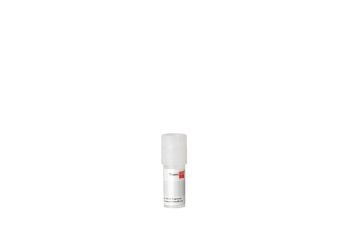
Normal Human Epidermal Keratinocytes (NHEK) adult, isolated in Growth Medium 3, single donor
Cat No
C-12013
Primary Human Keratinocytes isolated in serum-free and BPE-free Keratinocyte Growth Medium 3. Available from juvenile foreskin or adult skin from single or pooled donors.
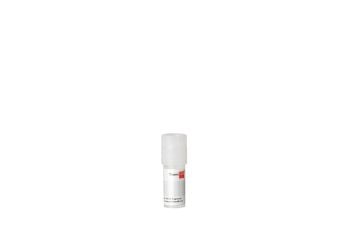
Normal Human Epidermal Keratinocytes (NHEK) juvenile foreskin, isolated in Growth Medium 3, pooled
Cat No
C-12015
Primary Human Keratinocytes isolated in serum-free and BPE-free Keratinocyte Growth Medium 3. Available from juvenile foreskin or adult skin from single or pooled donors.
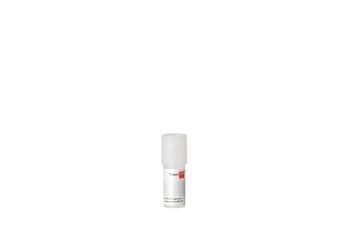
Normal Human Epidermal Keratinocytes (NHEK) adult, isolated in Growth Medium 3, pooled
Cat No
C-12016
Primary Human Keratinocytes isolated in serum-free and BPE-free Keratinocyte Growth Medium 3. Available from juvenile foreskin or adult skin from single or pooled donors.