
Published applications of PromoCell cell culture media in mouse and rat (murine) research models
PromoCell media are developed and optimized for human primary cells.
At the same time, published peer-reviewed studies show that researchers have successfully applied our media in murine systems, including mouse and rat models.
These publications span a wide range of biomedical research areas.
What does this mean for you?
The available evidence shows that PromoCell media are adaptable to murine cell culture workflows. This can reduce the need to adapt to different media systems across model organisms.
On this page, you’ll find a curated overview of peer-reviewed studies where PromoCell media were used in murine systems.
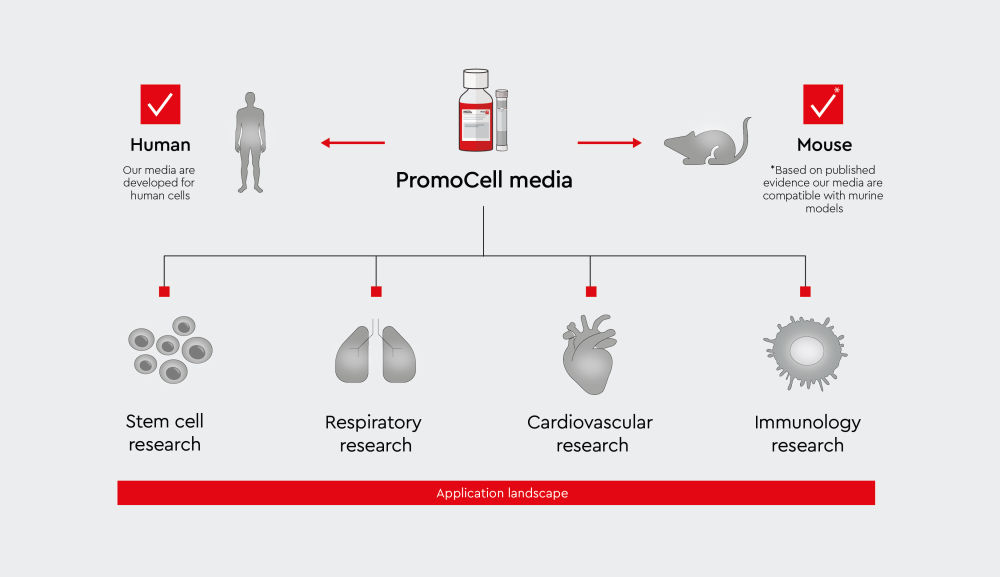
Figure 1: Scientific literature supports the use of PromoCell media in mouse and rat cell culture workflows across diverse research landscapes
Why are murine models used in translational research?
Murine models (mouse and rat) play an established role in pharmaceutical and biotechnology research, particularly in early-stage development. While human primary cell systems ensure translational relevance to human biology, murine models are also used alongside to provide valuable preclinical insights.
Murine systems support:
- Mechanistic insights: Understand disease pathways and cellular interactions before moving to human-based systems
- Preclinical validation: Assess efficacy, toxicity, and dosing of therapeutic candidates
- Complex biological systems: Investigate whole-system responses in oncology, immunology, and regenerative medicine
Where has PromoCell media been used in murine systems?
Peer-reviewed publications demonstrate the use of PromoCell media in murine systems across a range of research applications, including:
- Mesenchymal stem cell-based regenerative medicine
- Macrophage-mediated immune modulation in cancer
- Keratinocyte-based models of inflammatory skin diseases.
- Airway epithelial cell models in respiratory research
- Endothelial and fibroblast-based cardiovascular studies.
These studies highlight how researchers integrate our media into murine workflows across diverse experimental settings.
PromoCell media across additional cell types and model organisms
Published evidence also indicates that PromoCell media have been used in various other model systems across multiple species. Below is an overview of resources compiling these publications, so you can easily explore the supporting literature:
| Type of cells | Resources with the relevant medium |
|---|---|
| Published applications in adult stem and stromal cells | other-species-and-cell-types-adult-stem-stromal-cells-media.html |
| Published applications in blood cells | other-species-and-cell-types-blood-cells-media.html |
| Published applications in epithelial cells | other-species-and-cell-types-epithelial-cells-media.html |
| Published applications in keratinocytes and melanocytes | other-species-and-cell-types-keratinocytes-melanocytes-media.html |
| Published applications in muscle cells | other-species-and-cell-types-muscle-cells-media.html |
| Published applications in endothelial cells | other-species-and-cell-types-endothelial-cells-media.html |
| Published applications in cancer cells | other-species-and-cell-types-cancer-media-toolbox.html |
Table 1: Overview of peer-reviewed resources demonstrating the use of PromoCell media across diverse cell types and species.
Important information: PromoCell media are specifically developed and validated for human cells. Use in non-human systems has not been systematically optimized or validated by PromoCell and is based on independent research findings.
FAQ
Contact us to gain more insight Our Scientific Support team is here to help with your questions and provide scientific guidance.