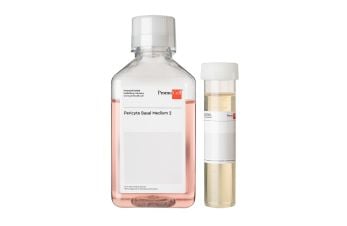
Human Placenta-derived Pericytes, Proliferating Cells
 Powered by Bioz
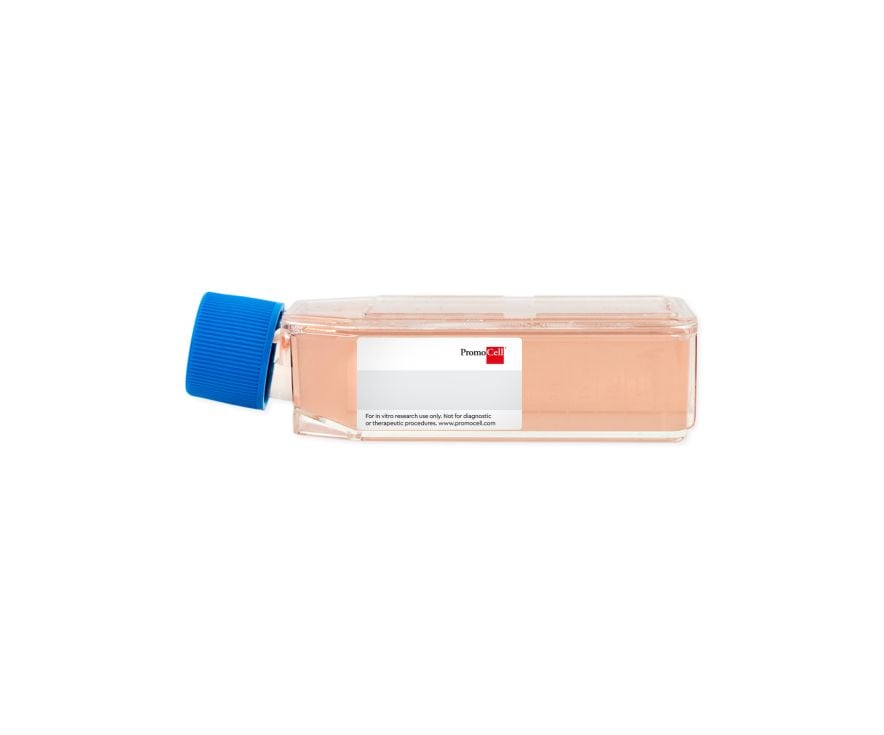
Primary Human Placenta-derived Pericytes, Proliferating Cells are supplied as actively growing primary cell cultures in optimized growth media. These ready-to-use cells are shipped in a proliferating state and arrive culture-ready, allowing researchers to initiate cell culture experiments immediately upon arrival without thawing or recovery steps.
These proliferating primary human pericytes are derived from the normal human placental tissue same as our cryopreserved placenta-derived pericytes.
Primary Human Placenta-derived Pericytes, Proliferating Cells are particularly well suited for workflows requiring rapid experimental setup, including hair biology research, hair follicle development studies, regenerative medicine, cell–cell interaction research, and investigations of hair growth regulation.
Key benefits of Primary Human Placenta-derived Pericytes, Proliferating Cells
- Enable immediate use of proliferating placenta-derived pericytes upon receipt, with no thawing or recovery required.
- Support faster workflow setup, allowing researchers to initiate downstream assays and applications without delay.
- Reduce variability associated with post-shipment recovery and adaptation phases.
- Save time and resources by eliminating additional preparation steps before starting cell culture workflows.
Expert preparation for reliable performance
Our cell culture experts prepare prepare Primary Human Placenta-derived Pericytes, Proliferating Cells by thawing and cultivating them for 3 days prior to shipment under optimized culture conditions. This preparation supports high viability, stable proliferation characteristics, and reproducible performance in downstream applications.
Note:This product is exclusively available in Germany and France.
Looking for cryopreserved primary cells instead?
Need primary cell pellets for downstream applications?
- Get Human Pericytes from Placenta (hPC-PL), Cell Pellet in RNAlater for subsequent RNA, DNA, or protein analysis.
PromoCell uses the Bioz AI engine to display scientific references for this product. This content is currently blocked because functional cookies are disabled.
Interested in our scientific references?
Click on the following link to load the content or enable functional cookies in the consent settings.
By clicking "Load content now", you agree to load content from Bioz, a third-party provider. This will set cookies on your device without changing your saved cookie preferences.