
The Human Leukocyte Antigen (HLA) system plays a central role in immune recognition, helping the immune system distinguish between self, non-self, infected, abnormal, or transplanted cells. Because HLA molecules shape how antigens are presented to immune cells, they are highly relevant across immunology, transplantation, autoimmune disease research, infectious disease research, cancer immunotherapy, and drug development.
In this article, we explain what HLA typing is, why HLA diversity matters, and how HLA-informed research is supporting more relevant in vitro models, translational assay design, and personalised approaches in biomedical research.
Key takeaways
- The HLA system helps regulate immune recognition by supporting the distinction between self, non-self, infected, abnormal, or transplanted cells.
- HLA typing is used in research to study donor compatibility, immune response variability, disease susceptibility, and therapy-related immune reactions.
- HLA diversity influences many fields of biomedical research, including transplantation, autoimmune disease, infectious disease, cancer immunotherapy, and drug development.
- HLA-typed primary cells and PBMCs provide donor-defined human cell models for studying immune interactions, evaluating cross-reactivity, and developing more relevant in vitro assays.
- In preclinical research, HLA-defined donor material can help researchers connect immune biology with practical assay design, candidate screening, and translational risk assessment.
What is the HLA system?
The Human Leukocyte Antigen (HLA) system, also known as the major histocompatibility complex (MHC), is a highly variable region of the human genome that encodes cell-surface proteins involved in antigen presentation and immune regulation.1
HLA molecules are divided into two major classes2:
- HLA class I molecules, including HLA-A, HLA-B, and HLA-C, are expressed on most nucleated cells and present peptides mainly to CD8-positive T cells.
- HLA class II molecules, including HLA-DR, HLA-DQ, and HLA-DP, are primarily expressed by antigen-presenting cells and present peptides mainly to CD4-positive T cells.
Together, these molecules help the immune system distinguish between the body’s own cells and tissues (‘self’) and foreign substances such as pathogens and transplanted cells (‘non-self’), playing a pivotal role in immune response, disease susceptibility, and transplantation outcomes.1,2
What is HLA typing, and why is it important?
HLA typing is the process of identifying the specific HLA genes and alleles present in an individual donor, patient, or cell model. In research, HLA typing helps scientists understand how immune responses vary between donors and how this variability may affect disease mechanisms, transplantation outcomes, and therapy development.
HLA typing is important for3–5:
- Matching organ and stem cell donors with recipients
- Studying genetic predisposition to autoimmune and inflammatory diseases
- Investigating immune response variability in infectious disease research
- Developing and testing immunotherapies
- Evaluating cross-reactivity, alloreactivity, and potential immune-related safety risks
- Building more relevant human in vitro models with defined immune context
The HLA gene family is extremely diverse, with more than 30,000 HLA class I alleles and more than 14,000 class II alleles officially recognised in the IPD-IMGT/HLA Database.6 This diversity makes HLA in research valuable, but also technically complex. For researchers working with HLA-defined models, clear HLA nomenclature is essential for interpreting allele names and comparing HLA types across donors, studies, and datasets.
Why does HLA diversity matter in research?
HLA diversity affects how individuals present antigens and respond to infections, transplanted cells, drugs, vaccines, and immunotherapies. This means that immune responses observed in one donor background may not always translate to another donor background.
For translational research, this creates a practical challenge: models need to reflect relevant human immune diversity without making experimental design unnecessarily complex. HLA-typed cells can help by allowing researchers to work with donor-defined material and select HLA backgrounds that fit their research question.
What is the role of HLA in disease research?
HLA research has transformed our understanding of how immune recognition contributes to health and disease. Because HLA molecules molecules influence antigen presentation and T cell activation, specific HLA alleles can be associated with disease susceptibility, immune protection, therapy response, or immune-related adverse reactions.
Autoimmune diseases
Research has revealed strong associations between specific HLA alleles and autoimmune diseases. These associations help researchers investigate how antigen presentation, immune tolerance, and immune dysregulation contribute to disease mechanisms.
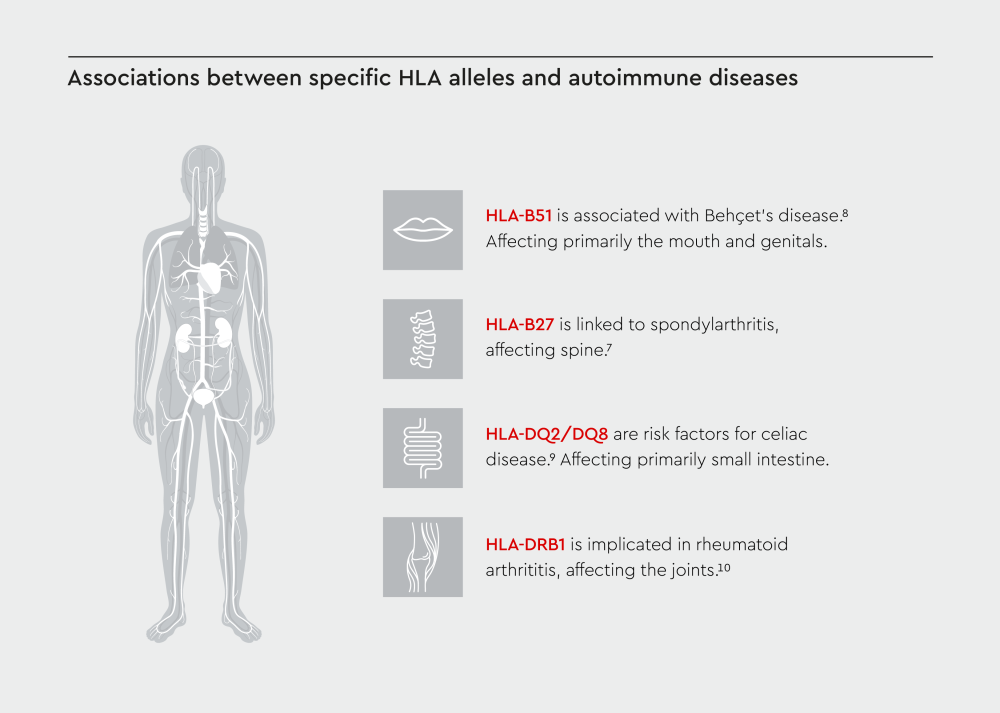
Figure 1: Visual representation of HLA types and their associated autoimmune conditions affecting different tissues and organs in the body.
For example, HLA-associated autoimmune research can support11:
- Identification of genetic risk factors
- Investigation of disease-associated antigen presentation
- Development of diagnostic or stratification biomarkers
- Research into targeted therapeutic approaches
Infectious diseases
HLA molecules influence how the immune system responds to infections by shaping which pathogen-derived peptides are presented to T cells. Certain HLA alleles may be associated with differences in susceptibility, disease severity, or immune protection in viral and bacterial infections.12,13
- HLA class I molecules present intracellular peptides, including viral peptides, to CD8+ T cells, driving cytotoxic responses.12
- HLA class II molecules present extracellular or processed peptides to CD4+ T cells, supporting antibody responses, immune memory, and coordination of adaptive immunity.12
For infectious disease research, HLA typing can help researchers study why immune responses differ between individuals and how vaccine or therapeutic strategies may perform across diverse HLA backgrounds.
Stem cell transplantation
HLA matching is critical in hematopoietic stem cell transplantation because donor-recipient compatibility can influence graft rejection, graft-versus-host disease (GVHD), and transplant outcome.14
Advances in HLA typing have improved donor selection and helped researchers investigate how different types of HLA mismatch affect immune compatibility.
In preclinical research, HLA-typed cells can support compatibility studies, cross-reactivity testing, and investigation of immune responses linked to donor-recipient mismatch. This makes HLA-informed model selection relevant for stem cell research and regenerative medicine, especially when immune compatibility is part of the research question.14
Cancer and personalized immunotherapies
HLA research is highly relevant for cancer immunotherapy because T cells recognise tumour-associated or neoantigen-derived peptides in the context of HLA molecules. This means that HLA genotype can influence antigen presentation, T cell recognition, immune escape, and response to certain immunotherapies15,16
In immuno-oncology research, HLA typing can support studies involving17,18,19,20
- Adoptive T cell therapies
- T cell receptor-based approaches
- Peptide vaccine development
- Immune checkpoint inhibitor response
- Tumour immune escape mechanisms
- Off-target and cross-reactivity assessment
For researchers developing or testing immune-based therapies, HLA typing becomes most useful when it can be connected to defined donor material. HLA-typed human primary cells and PBMCs provide a practical way to study immune recognition, cross-reactivity, alloreactivity, and donor-dependent response patterns in a human-relevant system
What are the latest advances in HLA research?
Recent advances in HLA research are enabling more precise immune profiling, improved human-relevant models, and more personalised therapeutic approaches. Key developments include high-resolution HLA typing, improved immunogenetic databases, and the use of HLA-defined donor material to support translational research and therapy development.21
Personalized treatment and HLA-guided therapy
Research has revealed strong associations between specific HLA alleles and autoimmune diseases. Several HLA alleles have been found to predispose individuals to various autoimmune conditions:
- Precision medicine: HLA typing enables the development of therapies tailored to an individual’s genetic makeup, improving efficacy and reducing side effects of treatments.5,22
- Immunogenetics: Identifying genetic predisposition to diseases guides the design of targeted interventions.4
- HLA-guided therapy: Therapies such as adoptive T cell transfer, checkpoint inhibitors, and peptide vaccines are increasingly designed based on HLA genotype.23,24
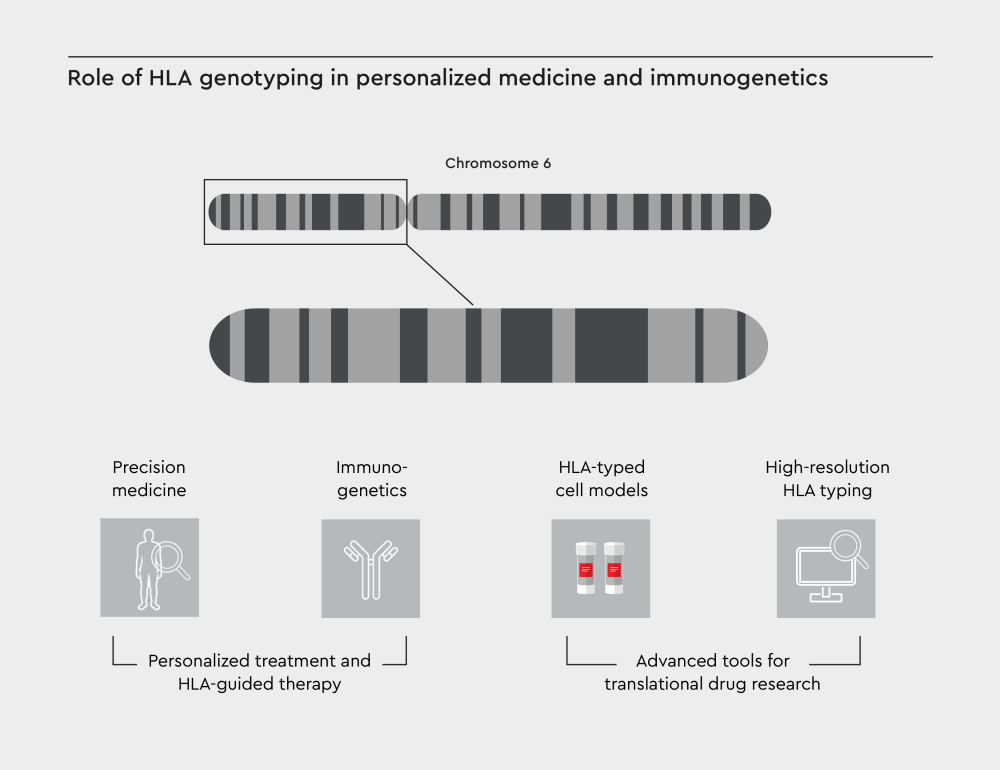
Figure 2: Advanced tools, such as high-resolution HLA typing and HLA-typed cell models, can support translational drug research by adding defined immune context to assay design and candidate evaluation.
What are the challenges in HLA research?
HLA research faces challenges mainly because of the extreme diversity and complexity of HLA genes and their influence on antigen presentation. Researchers need to account for differences between HLA alleles, population-level variation, and the availability of well-characterised donor material when designing immune studies and translational assays.4,6
Common challenges in HLA research include:
- High genetic complexity across HLA class I and class II loci
- Differences in peptide binding and antigen presentation between alleles
- Population-level diversity in HLA allele frequency
- The need for high-resolution typing in many research contexts
- Difficulty modelling HLA-driven responses in non-human or poorly defined systems
- Limited availability of donor-defined primary cell material for specific research questions
How can HLA-typed cells overcome these challenges?
HLA typing can support preclinical research by helping researchers match their experimental model to the immune mechanism they want to study. The value is not only in knowing the HLA type, but in applying that information to donor selection, assay design, and interpretation of immune responses.
- Human relevance: HLA-typed primary cells and PBMCs provide donor-defined human models that better reflect immune biology than non-human or genetically undefined systems.
- Population diversity: Large inventories of HLA-typed donors enable studies across common and rare HLA alleles, supporting research into population-specific immune responses and donor variability.
- Research efficiency: Using pre-typed donor material reduces the need for additional HLA characterization, helping to streamline study design and improve reproducibility.
| Research application | Why HLA matters | How HLA-typed cells can support the work |
|---|---|---|
| Autoimmune disease research | Specific HLA alleles can be associated with disease susceptibility and immune dysregulation. | Supports investigation of disease-relevant immune interactions in defined donor backgrounds. |
| Infectious disease research | HLA molecules influence antigen presentation and T cell responses to pathogens. | Helps researchers compare immune responses across different HLA backgrounds. |
| Stem cell transplantation research | Donor-recipient HLA compatibility can influence immune rejection and graft-versus-host responses. | Supports compatibility, mismatch, and alloreactivity studies. |
| Cancer immunotherapy | T cell recognition of tumour antigens depends on antigen presentation by HLA molecules. | Supports candidate testing, T cell response studies, and cross-reactivity assessment. |
| Culture medium | Medium composition affects expansion, differentiation, and barrier stability | Medium used during each phase, supplements, and lot information |
| Drug screening and toxicity testing | Some immune-mediated adverse reactions are linked to specific HLA backgrounds. | Helps investigate potential immune-related safety risks in human donor-defined models. |
Table 1. Applications of HLA-typed donor material in translational research
Future directions
HLA research is moving toward more integrated approaches that combine HLA information with donor-defined cell models, immune assays, biomarker analysis, and therapeutic development workflows. These approaches aim to improve the translation of immune genetic information into practical research applications.
Current and emerging applications of HLA-typed cells
HLA-typed cells are becoming increasingly useful in research areas where immune recognition and donor variability can influence results.
Current and emerging applications include:
- Immunotherapies: They enable precise testing of T cell-based therapies and immune checkpoint inhibitors, allowing researchers to predict responses across diverse patient populations.23,27
- Transplantation: These cells facilitate in vitro compatibility testing, helping refine matching protocols and develop strategies to overcome HLA mismatch.28
- Vaccine development: Using HLA-typed cells allows for the identification and validation of epitopes that can trigger immune responses across multiple HLA types, leading to more universally effective vaccines.27
- Drug screening and toxicity testing: They provide a more accurate prediction of immune-related adverse events and drug hypersensitivity reactions than traditional models.29
Standardized protocols and translational research
- Integration of HLA-typed cells: Standardized protocols are being developed to ensure reproducibility and reliability in translational research.30,31
- Collaborative databases: Sharing data through initiatives such as the IPD-IMGT/HLA Database6 accelerates discovery and application across the biomedical community.
How can we support your HLA research?
We are committed to empowering you with the tools and expertise you need to advance your research. Here’s how we can help you:
- High-quality HLA-typed cells: Choose from a broad range of HLA-typed human primary cells and PBMCs from over 100 donors, with complete 4-digit resolution typing for HLA-A, HLA-B, HLA-C, HLA-DPA1/DPB1, HLA-DQA1/DQB1, and HLA-DRB1/DRB345.
- Customized cell culture media: Our specialized media robust cell growth and function, ensuring reliable results.
- Expert scientific support: Our cell culture specialists are ready to assist you with protocol optimization, troubleshooting, and custom solutions for your research.
Ready to advance your research? Explore our HLA-typed human primary cells and discover how we can help you drive innovation in immunogenetics, translantation, and personalized medicine.
FAQ: HLA in research
References
Expand
- Trowsdale J, Knight JC. Major histocompatibility complex genomics and human disease. Annu Rev Genom Hum Genet. 2013;14(1):301–323. doi:10.1146/annurev-genom-091212-153455
- Liu B, Shao Y, Fu R. Current research status of HLA in immune‐related diseases. Immunity Inflam & Disease. 2021;9(2):340–350. doi:10.1002/iid3.416
- Choo SY. The HLA system: genetics, immunology, clinical testing, and clinical implications. Yonsei Med J. 2007;48(1):11–23. doi:10.3349/ymj.2007.48.1.11
- Dendrou CA, Petersen J, Rossjohn J, Fugger L. HLA variation and disease. Nat Rev Immunol. 2018;18(5):325–339. doi:10.1038/nri.2017.143
- Jin P, Wang E. Polymorphism in clinical immunology – From HLA typing to immunogenetic profiling. J Transl Med. 2003;1(1):8. doi:10.1186/1479-5876-1-8
- European Molecular Biology Laboratory. IPD-IMGT/HLA Database. Accessed April 29, 2025. https://www.ebi.ac.uk/ipd/imgt/hla/about/statistics/
- Ramos M, De Castro JAL. HLA-B27 and the pathogenesis of spondyloarthritis. Tissue Antigens. 2002;60(3):191–205. doi:10.1034/j.1399-0039.2002.600301.x
- Mizuki Y, Horita N, Horie Y, et al. The influence of HLA-B51 on clinical manifestations among Japanese patients with Behçet’s disease: A nationwide survey. Modern Rheumatology. 2020;30(4):708–714. doi:10.1080/14397595.2019.1649103
- Aboulaghras S, Piancatelli D, Taghzouti K, et al. Meta-analysis and systematic review of HLA DQ2/DQ8 in adults with celiac disease. Int J Mol Sci. 2023;24(2):1188. doi:10.3390/ijms24021188
- Gonzalez-Gay MA, Garcia-Porrua C, Hajeer AH. Influence of human leukocyte antigen-DRB1 on the susceptibility and severity of rheumatoid arthritis. Semin Arthritis Rheum. 2002;31(6):355–360. doi:10.1053/sarh.2002.32552
- Bodis G, Toth V, Schwarting A. Role of human leukocyte antigens (HLA) in autoimmune diseases. Rheumatol Ther. 2018;5(1):5–20. doi:10.1007/s40744-018-0100-z
- Blackwell JM, Jamieson SE, Burgner D. HLA and infectious diseases. Clin Microbiol Rev. 2009;22(2):370–385. doi:10.1128/cmr.00048-08
- Medhasi S, Chantratita N. Human leukocyte antigen (HLA) system: genetics and association with bacterial and viral infections. J Immunol Res. 2022;2022(1):9710376. doi:10.1155/2022/9710376
- Park M, Seo JJ. Role of HLA in hematopoietic stem cell transplantation. Bone Marrow Res. 2012;2012:680841. doi:10.1155/2012/680841
- Lowery FJ, Krishna S, Yossef R, et al. Molecular signatures of antitumor neoantigen-reactive T cells from metastatic human cancers. Science. 2022;375(6583):877–884. doi:10.1126/science.abl5447
- Dudley ME, Rosenberg SA. Adoptive-cell-transfer therapy for the treatment of patients with cancer. Nat Rev Cancer. 2003;3(9):666–675. doi:10.1038/nrc1167
- Chowell D, Morris LGT, Grigg CM, et al. Patient HLA class I genotype influences cancer response to checkpoint blockade immunotherapy. Science. 2018;359(6375):582–587. doi:10.1126/science.aao4572
- van Loenen MM, de Boer R, Amir AL, et al. Mixed T cell receptor dimers harbor potentially harmful neoreactivity. Proc Natl Acad Sci USA. 2010;107(24):10972–10977. doi:10.1073/pnas.1005802107
- Naranbhai V, Viard M, Dean M, et al. HLA-A*03 and response to immune checkpoint blockade in cancer: an epidemiological biomarker study. Lancet Oncol. 2022;23(1):172–184. doi:10.1016/S1470-2045(21)00582-9
- van Belzen IAEM, Kesmir C. Immune biomarkers for predicting response to adoptive cell transfer as cancer treatment. Immunogenetics. 2019;71(2):71–86. doi:10.1007/s00251-018-1083-1
- Faulkner L, Gibson A, Sullivan A, et al. Detection of primary T cell responses to drugs and chemicals in HLA-typed volunteers: implications for the prediction of drug immunogenicity. Toxicol Sci. 2016;154(2):416–429. doi:10.1093/toxsci/kfw177
- Geo JA, Ameen R, Al Shemmari S, Thomas J. Advancements in HLA typing techniques and their impact on transplantation medicine. Med Princ Pract. 2024;33(3):215–231. doi:10.1159/000538176
- Couture A, Garnier A, Docagne F, et al. HLA-class II artificial antigen presenting cells in CD4+ T cell-based immunotherapy. Front Immunol. 2019;10. doi:10.3389/fimmu.2019.01081
- Faghfuri E. Recent advances in personalized cancer immunotherapy with immune checkpoint inhibitors, T cells and vaccines. Pers Med. 2024;21(1):45–57. doi:10.2217/pme-2023-0054
- Bravo-Egana V, Sanders H, Chitnis N. New challenges, new opportunities: next generation sequencing and its place in the advancement of HLA typing. Hum Immunol. 2021;82(7):478–487. doi:10.1016/j.humimm.2021.01.010
- Pavlos R, Mallal S, Phillips E. HLA and pharmacogenetics of drug hypersensitivity. Pharmacogenomics. 2012;13(11):1285–1306. doi:10.2217/pgs.12.108
- Lee MN, Meyerson M. Antigen identification for HLA class I– and HLA class II–restricted T cell receptors using cytokine-capturing antigen-presenting cells. Sci Immunol. 2021;6(55):eabf4001. doi:10.1126/sciimmunol.abf4001
- Mayor NP, Hayhurst JD, Turner TR, et al. Recipients receiving better HLA-matched hematopoietic cell transplantation grafts, uncovered by a novel HLA typing method, have superior survival: A retrospective study. Biol Blood Marrow Transplant. 2019;25(3):443–450. doi:10.1016/j.bbmt.2018.12.768
- Di Zeo-Sánchez DE, Segovia-Zafra A, Matilla-Cabello G, et al. Modeling drug-induced liver injury: current status and future prospects. Expert Opin Drug Metab Toxicol. 2022;18(9):555–573. doi:10.1080/17425255.2022.2122810
- Alvarez-Palomo B, Vives J, Casaroli-Marano RP, et al. Adapting cord blood collection and banking standard operating procedures for HLA-homozygous induced pluripotent stem cells production and banking for clinical application. J Clin Med. 2019;8(4):476. doi:10.3390/jcm8040476
- Edgerly CH, Weimer ET. The past, present, and future of HLA typing in transplantation. In: Boegel S, ed. HLA Typing: Methods and Protocols. Springer; 2018:1–10. doi:10.1007/978-1-4939-8546-3_1
Related resources