
Why is ROCK inhibitor (ROCKi) used for airway organoid formation?
ROCK inhibitors (ROCKi), such as Y‑27632, are widely used to enhance epithelial cell and keratinocyte progenitor proliferation and to improve cell survival through a process known as conditional reprogramming. Importantly, this effect is reversible.
In addition, ROCKi is known to:
The effects of ROCKi‑mediated conditional reprogramming have also been described for airway epithelial cells (EpCs) and airway organoid cultures, as reported in the literature:PromoCell recommendation
For human airway organoid cultures, the use of Y‑27632 ROCKi is optional, as organoids are able to form even without ROCKi. However, 3‑D culture systems can be sensitive to factors such as:
In addition, ROCKi is known to:
- Increase seeding efficiency on plastic surfaces
- Support early survival of epithelial cells during stressful steps (e.g. dissociation, seeding)
The effects of ROCKi‑mediated conditional reprogramming have also been described for airway epithelial cells (EpCs) and airway organoid cultures, as reported in the literature:PromoCell recommendation
For human airway organoid cultures, the use of Y‑27632 ROCKi is optional, as organoids are able to form even without ROCKi. However, 3‑D culture systems can be sensitive to factors such as:
- the choice of plastic
- the extracellular matrix (ECM) used
Products relevant to this topic
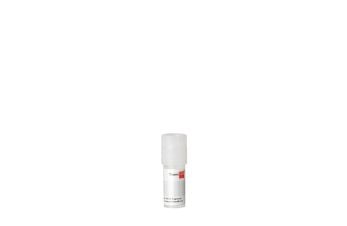
Human Bronchial Epithelial Cells (HBEpC)
Cat No
C-12640
Primary Human Bronchial Epithelial Cells isolated from the surface epithelium of human bronchi.
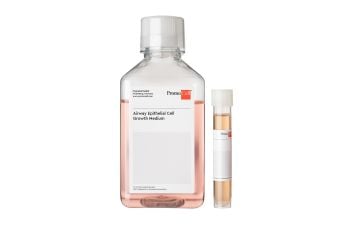
Airway Epithelial Cell Growth Medium (Ready-to-use)
Cat No
C-21060
Ready-to-use serum-freecell culture medium for epithelial cells from large air passages.
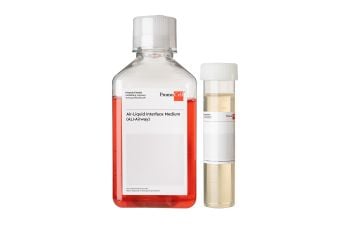
Air-Liquid Interface Medium
Cat No
C-21080
Serum-free and BPE-free cell culture medium for an optimal and standardized culture of human bronchial epithelial cells at the air-liquid interface (ALI).